Have recent rains made any impact?
Watch this CBS Austin interview with the CTWC director discussing the limited impact of recent rains on our lakes.

Watch this CBS Austin interview with the CTWC director discussing the limited impact of recent rains on our lakes.




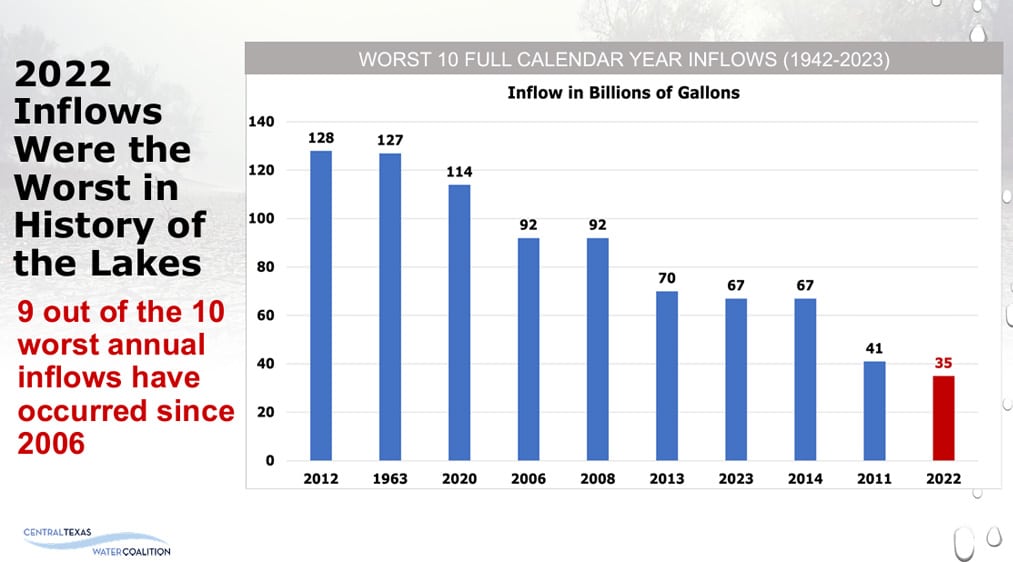




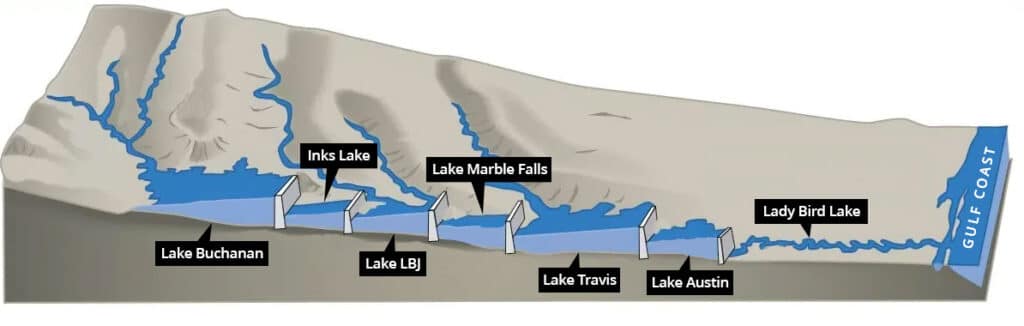


In 2022, Texas saw its second-hottest summer on record. For Austin, it was the hottest, as well as the driest in 113 years. As Central Texas battles extreme drought, shrinking lakes, and overtapped aquifers, some communities find themselves in crisis. Read the article in Austin Monthly.
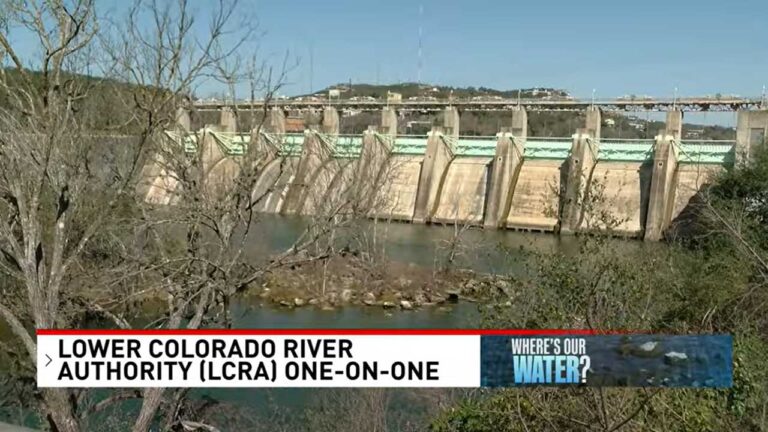
Watch “Where’s Our Water?” … a CBS Austin town hall with local officials, where they discuss drought in Central Texas and what is being done to help.

As we look back on 2025, one thing is abundantly clear: this has been a pivotal year for water in Central Texas. From the 89th Texas Legislative Session to the LCRA Water Management Plan to our own scientific research, CTWC has been working every single day to protect the water supply that two million Central Texans depend on.

KXAN Investigations showed that Climate change is not a part of the recent LCRA water plan. See the KXAN video.
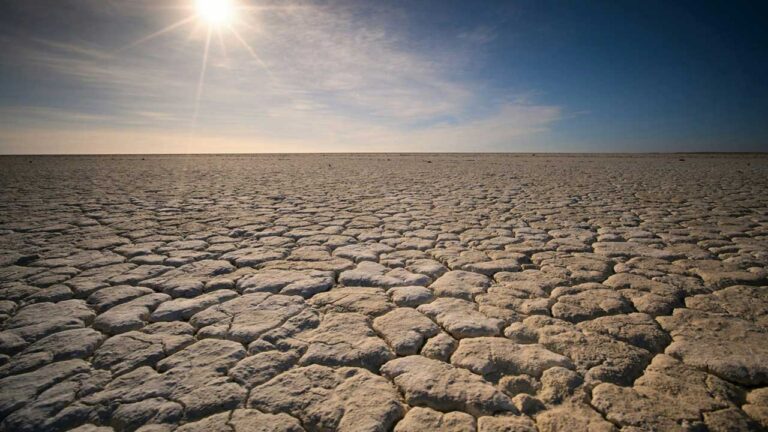
Recent reporting confirms what we are seeing firsthand—Central Texas remains in drought conditions, and water systems are under continued stress despite the recent rainfall. Consider this: even with a notably wet April, Lake Buchanan has risen nearly a foot over the past 30 days, while Lake Travis has increased by only about 0.15 feet. Given current watershed conditions, ongoing demand, and seasonal agricultural use, we are fortunate to be holding steady, but there are no clear signs of meaningful recovery.

LCRA is beginning the approval process for an updated Water Management Plan that will govern how our water is managed for at least the next 5–7 years. Once finalized and approved, this plan will be very difficult to reopen or revise, even if drought conditions worsen or key assumptions prove wrong. Because water released from our lakes cannot be recovered, the decisions being made now carry long-term risk to our drinking water, communities, and local economy.

